Alumni Q&A: Allison Naleway
Published on September 16, 2025
Alumna Allison Naleway (97MS, 00PhD) is a Distinguished Investigator and Associate Director for Science Programs at the Kaiser Permanente Center for Health Research in Portland, Oregon. Her research focuses on the evaluation of vaccine safety and effectiveness, and infectious disease surveillance and epidemiology.
We recently asked Allison about her field and hopes for the future of vaccine research.
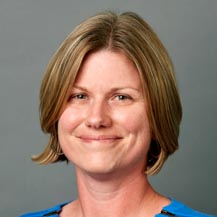
Allison Naleway
97MS, 00PhD Epidemiology
What is your current job title and employer?
Distinguished Investigator and Associate Director for Science Programs at the Kaiser Permanente Center for Health Research in Portland, Oregon.
What do you think have been the top 3 public health challenges in the past 25 years, and why?
We have seen new pathogens emerge and cause large outbreaks of disease and pandemics. Our disease surveillance methods and systems have not been resourced well enough both within the United States and internationally to comprehensively assess and understand the burden and impact of these new pathogens. We have also seen the resurgence of vaccine preventable diseases, like pertussis and measles, due to rising rates of vaccine refusal and hesitancy.
A second challenge to public health is the rapid and widespread dissemination of mis- and dis-information on social media platforms and a growing distrust of medical experts and public health policymakers and agencies.
Finally, our rapidly changing climate is impacting health, and we have not dedicated enough resources and attention to investigating this, nor have we adequately prepared to manage and mitigate the health impacts of mega disasters.
How has your profession/field responded to the changing public health landscape?
In my specific field of vaccine safety and effectiveness research, we have been asked to increase the speed of our work to support vaccine implementation and to inform public health recommendations and policies. The COVID-19 pandemic was a huge driver of this need for more rapid scientific evidence, and we responded to this need by building new collaborations, creating new data systems, and developing new methods for analyzing big data rapidly.
What are your hopes or vision for the future of your profession/field in the next 10 years?
I think public health professionals are facing some uncertain, volatile, and challenging times ahead. Throughout the COVID-19 pandemic response, I saw many of my colleagues personally attacked for doing their work, and many talented and thoughtful people burned out and left the field. I hope that we can support each other better professionally and emotionally as we move forward together to face the challenges ahead.
I hope we can find ways to better communicate with the populations we serve and regain some of the trust that has been lost. A future pandemic is a near certainty, and I hope we can learn from our past successes and mistakes to improve our future pandemic responses.
I think we need to recruit and train our best and brightest in public health so the next generation of leaders can approach some of the daunting and complex issues we face with passion and ingenuity.