From the Dean
Published on December 8, 2021
Creating a healthier, more equitable present and future
Dear friends,
As 2021 draws to a close and we look forward to the celebration and renewal that marks this time of year, we carry with us the weight of a lingering pandemic and awareness that our journey through this difficult time is not yet complete.
Despite the challenges of this moment – newly emerging variants, persistent misinformation, feelings of burnout, etc. – I am encouraged by signs of progress: expanded eligibility for vaccines and boosters, rising demand for these lifesaving shots, promising new therapeutics, and steady advances in our understanding of this virus. The continued creativity, dedication, and resilience of public health champions at every level of our society also gives me confidence that we will turn the tide in this pandemic.
I also draw hope and inspiration from so many remarkable colleagues who are at the forefront of creating a healthier, more equitable present and future, incorporating critical lessons learned during the pandemic. I am especially proud that the University of Iowa College of Public Health continues to lead the nation and the world in research, training, and practice programs that are improving the health of rural populations – communities that have been most severely impacted by COVID-19 and continue to experience other health inequities. Our commitment to rural health is embedded in our college’s Vision and continues to drive future innovation as one of our Collective Areas of Excellence.
Iowa’s leadership in rural health has broadened over time into a comprehensive public health research and public engagement agenda with both a U.S. and global focus. That agenda encompasses a diverse array of efforts to address rural disparities ranging from cancer to injuries to maternal mental health; to better understand the impact of changing demographics in rural communities as these communities become “new destinations” for immigrant and other populations; to adapt evidence-based interventions to rural contexts; to assess the unique occupational risks confronting rural workers; and to provide technological resources and policy solutions suited to the challenges of rural health care finance and delivery. These and many, many other initiatives are all deeply rooted in our commitment to rural populations here in the United States and around the world.
I’m delighted to share a few highlights of ongoing work at the University of Iowa, along with my very best wishes for a holiday season that I hope will include time to relax, restore, and renew your energy for the new year ahead.
Warmly,
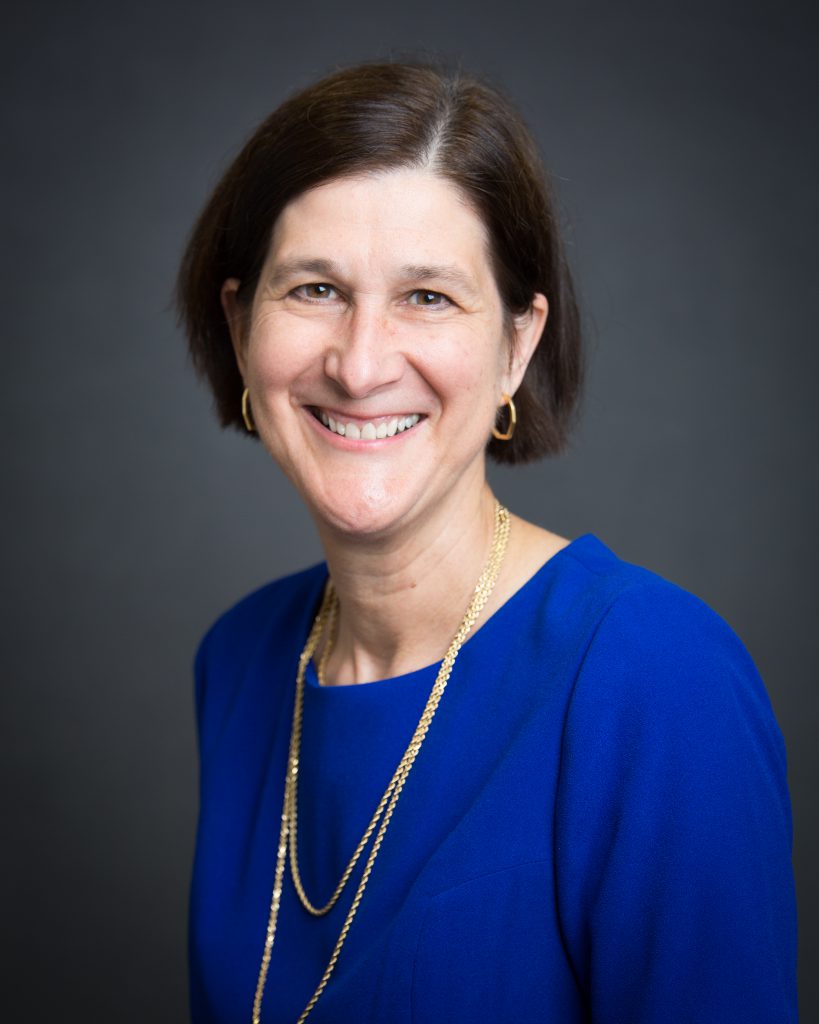
Edith Parker, MPH, DrPH
Dean and Professor